Echinops albidusBoiss. & Spruner, syn of subsp. albidus
Echinops taygeteusBoiss. & Heldr., syn of subsp. taygeteus
Echinops sphaerocephalus, known by the common names glandular globe-thistle,[2]great globe-thistle[3] or pale globe-thistle, is a Eurasian species of globe-thistle belonging to the tribe Cardueae within the family Asteraceae.
Echinops sphaerocephalus is a glandular, woolly perennialherbaceous plant with an average height of 50–100 centimetres (20–39in), occasionally reaching 200cm (80 inches).[4]
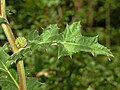
Its erect branching, gray, slightly wrinkled and hairy stems bear the occasional large, soft, sharply toothed, sharp-lobed pointed green leaves. They are sticky hairy above, and white woolly below.[4]
Atop each stem is an almost perfectly sphericalinflorescence up to 6cm in diameter, packed with white or blue-gray disc florets. It flowers from June until September.[4][5]
The flowers are pollinated by insects (usually bees, wasps and butterflies) (entomogamy) and are hermaphrodite (self fertilization or autogamy). The fruits are hairy cylindrical achenes about 7 to 8mm long. They ripen from September through October. The seeds are dispersed by wind (anemochory).[4]
Distribution
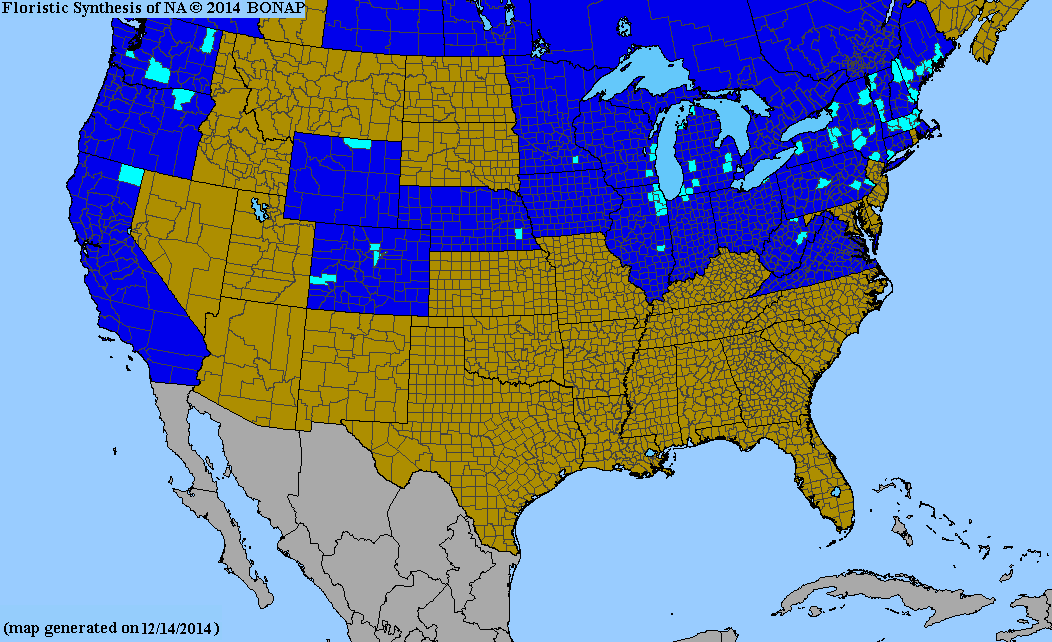
This species is widespread across much of Eurasia but it lives on other continents where it was introduced, including North America where it is a widespread weed.[4][6][3] It is very common in the mountains of southern France and southern and central Europe.[7]
Habitat
It grows in sunny, rocky or brushy places in more or less mineral rich soils at an altitude of 0–400 metres (0–1,312ft) above sea level.
This page is based on this Wikipedia article Text is available under the CC BY-SA 4.0 license; additional terms may apply. Images, videos and audio are available under their respective licenses.